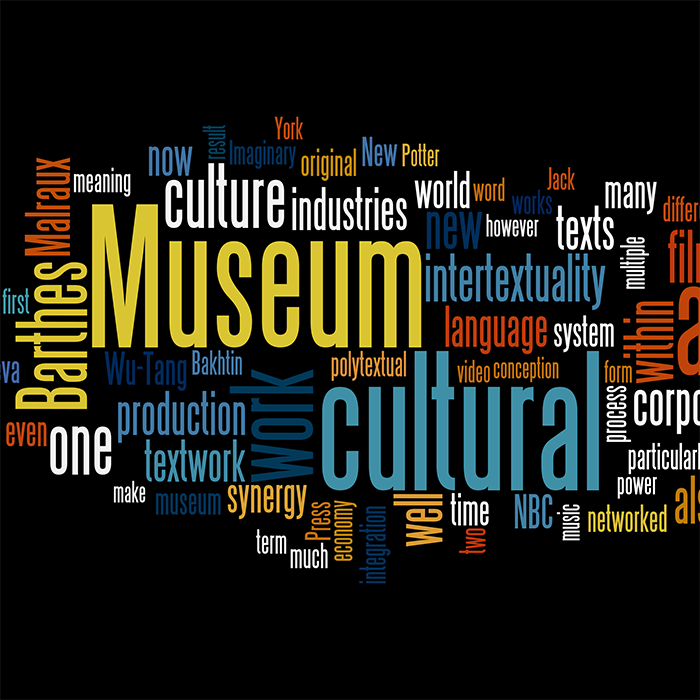
The Cinema of Steven Soderbergh

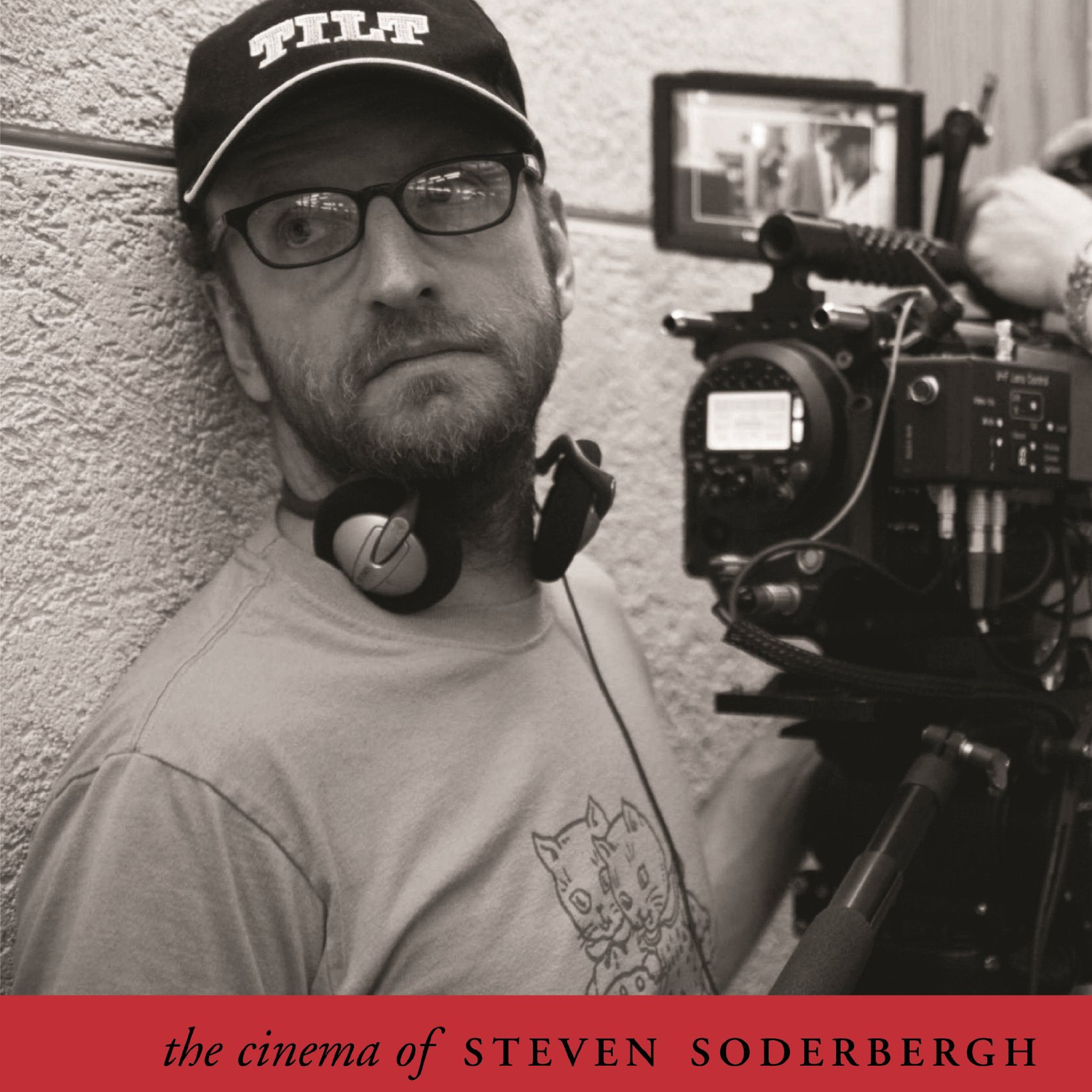
deWaard, Andrew and R. Colin Tait. The Cinema of Steven Soderbergh: indie sex, corporate lies and digital videotape. New York: Wallflower Press/Columbia University Press. 2013. CUP | Amazon

The_Cinema_of_Steven_Soderbergh-Andrew_deWaard_&_R_Colin_Tait

Abstract: The industry’s only director-cinematographer-screenwriter-producer-actor-editor, Steven Soderbergh is contemporary Hollywood’s most innovative and prolific filmmaker. A Palme d’or and Academy Award-winner, Soderbergh has directed nearly thirty films, including political provocations, digital experiments, esoteric documentaries, global blockbusters, and a series of atypical genre films. This volume considers its slippery subject from several perspectives, analyzing Soderbergh as an expressive auteur of art cinema and genre fare, as a politically-motivated guerrilla filmmaker, and as a Hollywood insider. Combining a detective’s approach to investigating the truth with a criminal’s alternative value system, Soderbergh’s films tackle social justice in a corporate world, embodying dozens of cinematic trends and forms advanced in the past twenty-five years. His career demonstrates the richness of contemporary American cinema, and this study gives his complex oeuvre the in-depth analysis it deserves.

An excellent analysis of the diverse range of work of one of the most fascinating contemporary filmmakers and the broader industrial and social contexts in which this is situated. Highly recommended.

— Geoff King, Brunel University

A complex reading of an iconoclastic auteur that is both sophisticated and accessible. This compelling portrait is also a fascinating take on the history of American cinema from the late 1980s to the present.

— Alisa Perren, Georgia State University

Posted in publications | Tagged | Leave a comment

The Cultural Capital Project

Cultural Capital is a collaborative research project between myself, Brian Fauteux (Media & Cultural Studies, University of Wisconsin-Madison) and Ian Dahlman (Law, McGill University) that explores the historical antecedents, theoretical trajectories, legal ramifications and technical components involved in the creation of a non-profit patronage system and social network uniting musical artists and fans. The system will harvest user-generated data of listening and sharing habits, and then use an algorithm to allocate equitable compensation via distributed micropayment. Incorporating the multitude of individuals who propel the cultural industries with their creative labour, including fans, photographers, artists, labels and others, theCultural Capital project aims to establish a ‘radical monetization’ of the music industry based on equity, connectivity and sharing. Integrating the ideas of Bourdieu, Attali, Lessig and more, this research will explore new avenues of development for the digital cultural industries and assess potential opportunities for innovative cultural labourers to facilitate this transformation. In March 2012, the project was awarded an Art+Exchange Planning Grant from the University of California Institute for Research in the Arts.

Find out more @ www.cultcap.org

Posted in projects | Tagged | Leave a comment

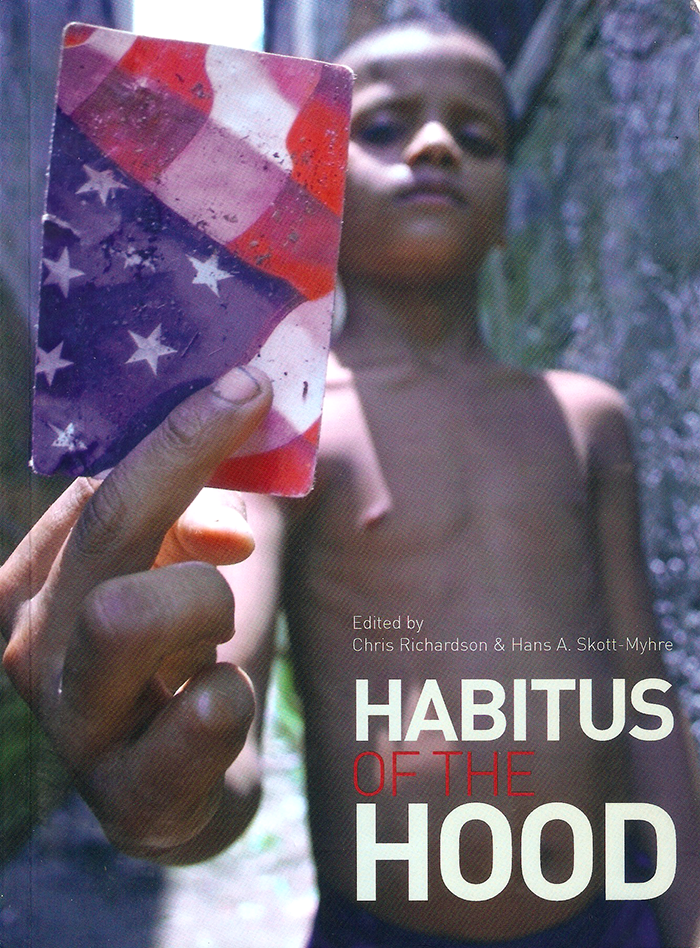
The Hood is Where the Heart is

deWaard, Andrew. “The Hood is Where the Heart is: Melodrama, Habitus, and the Hood Film.” Habitus of the Hood. Eds. Chris Richardson and Hans A. Skott-Myhre. Chicago, IL: Intellect Ltd., 2012. Intellect | Worldcat | Amazon

Abstract: Rarely does such a consistent and self-contained collection of representational material offer itself unto analysis like the short-lived hood film cycle of the early 1990s.  Rarer still, is the foundational structure of such a symbolic collection completely overlooked by its critics. Boyz N the Hood (John Singleton 1991) and Menace II Society (Allen and Albert Hughes 1993) are the hood film cycle’s most renowned and successful films, as well as its most representative. Spike Lee’s classic Do the Right Thing (1989) can be seen as the hood film’s precursor, while Clockers (1995) marks its end by self-consciously examining the genre’s conventions. Over twenty similarly themed films were released between 1991 and 1995 all united, for the most part, by largely African-American creative talent, contemporary urban settings, a strong intermedial connection to youth rap/hip hop culture, and a thematic focus on inner-city social and political issues such as poverty, crime, racism, drugs and violence. All critical considerations of these films in terms of genre and classification miss its fundamental core: the melodramatic mode, centered around the experience of being “another victim of the ghetto.”

Read More »

Posted in publications | Leave a comment

UCLA – Cinema and Media Studies

I recently began my PhD at the University of California, Los Angeles, in the Cinema and Media Studies program.

In case I didn’t know I was in the right place:

Simpsons creator Matt Groening makes transformational gift to TFT


Posted in school | Leave a comment

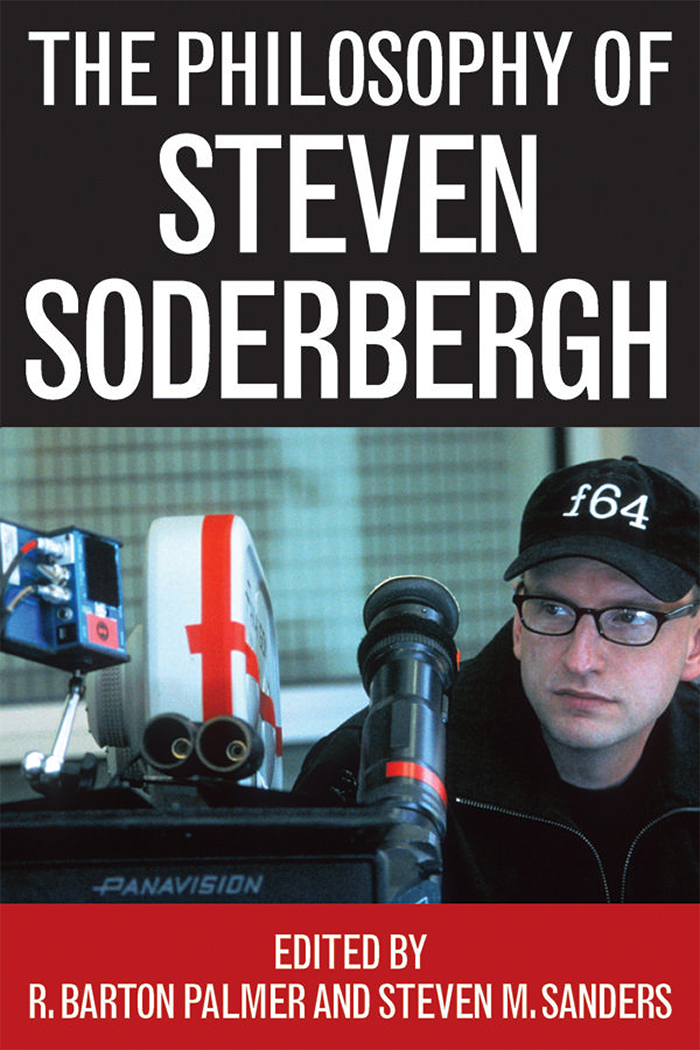
Intertextuality, Broken Mirrors, and The Good German

deWaard, Andrew.  “Intertextuality, Broken Mirrors, and The Good German.” The Philosophy of Steven Soderbergh.  Eds. Steven M. Sanders and R. Barton Palmer. Lexington, KY: University Press of Kentucky, 2010.  107-119.  Download the full text pdf | WorldCat | University Press of Kentucky | Amazon

Abstract: Nearly all of Steven Soderbergh’s work can be seen to exhibit a large degree of intertextual and intermedial reworking: from remakes that function more as remixes (The Underneath, Solaris, Ocean’s Eleven) and adaptations that bear little resemblance to their source material (King of the Hill, Kafka, Traffic) to borrowed characters (Jackie Brown’s Ray Nicolette in Out of Sight) and borrowed films (Poor Cow in The Limey).  His ‘experimental’ fare makes this penchant for intertextuality explicit with the recurring motif of a a ‘film-within-a-film’ function (sex, lies and videotape, Schizopolis, Full Frontal), while Bubble’s day-and-date release strategy in theatre, on television, and on DVD can be seen as a sort of ‘industrial intermediality.’  With The Good German, Soderbergh employs his intertextual preoccupation in the service of re-investigating a dark page in American history.  While the technical grandiosity of the film – 1940s-era equipment, including black-and-white cinematography, fixed lenses, rear-projection, swipe cuts, 4:3 ratio, and archival footage – was largely written-off by critics as an empty pastiche of film noir style, a closer inspection reveals that this retrograde stylistic practice – this blend of history – is an integral component of the film’s political and philosophical resonance.

Read More »

Posted in publications | Leave a comment

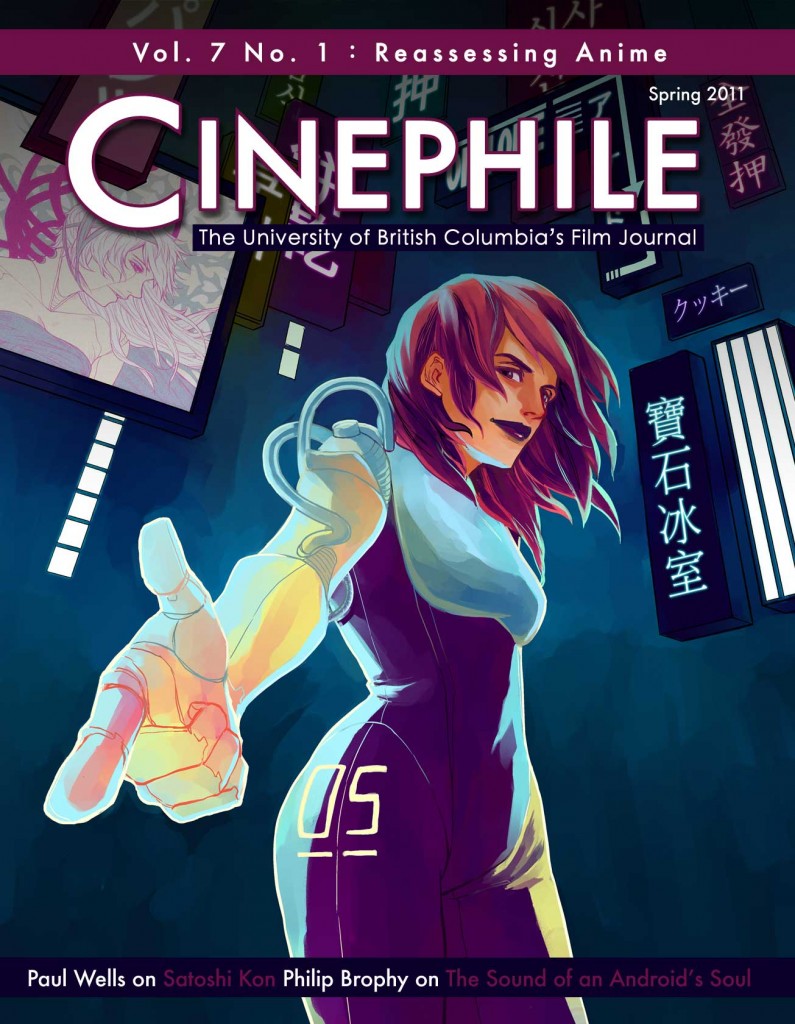
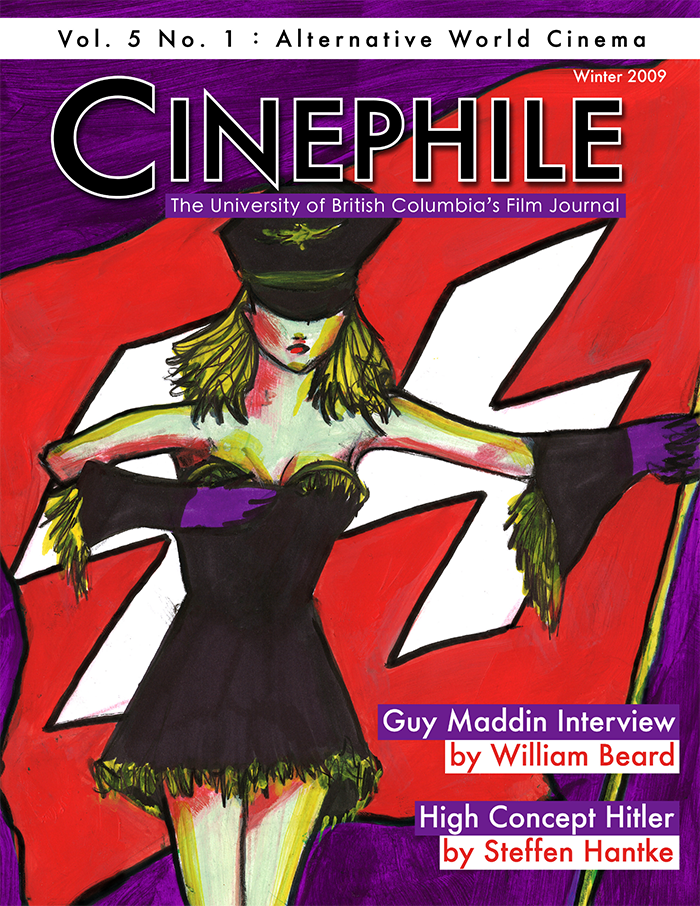
Cinephile Vol. 7, No. 1: Reassessing Anime

The latest issue of UBC’s film journal, Cinephile, is out now:

Anime is a visual enigma. Its otherworldly allure and burgeoning popularity across the globe highlights its unique ability to be more than just another type of animation. Originally a novelty export from post-war Japan, anime has now become a subtle yet important part of Western popular culture. Furthermore, it remains a key area of audience and fan research that crosses all generations – children, teenagers, and adults. From Osamu Tezuka to Hayao Miyazaki, Akira (Katsuhiro Ôtomo, 1988) to Ghost in the Shell (Mamoru Oshii, 1995), anime’s extraordinary characters and oneiric content still enable it to be regarded as one of the most awe-inspiring visual spectacles going into and during the twenty-first century…

- Editor’s Note

For this issue I was a member of the editorial board, and helped with the web and layout editing, but this was officially my last issue of Cinephile with which I was involved, marking an end to 5 years, 7 issues, and countless hours helping shape Cinephile into the feisty little journal it is today. A whole new cohort of graduate students has enthusiastically taken the journal into their very capable hands, and I couldn’t be more proud of the journal.

Check it out at cinephile.ca

Posted in editing | Leave a comment

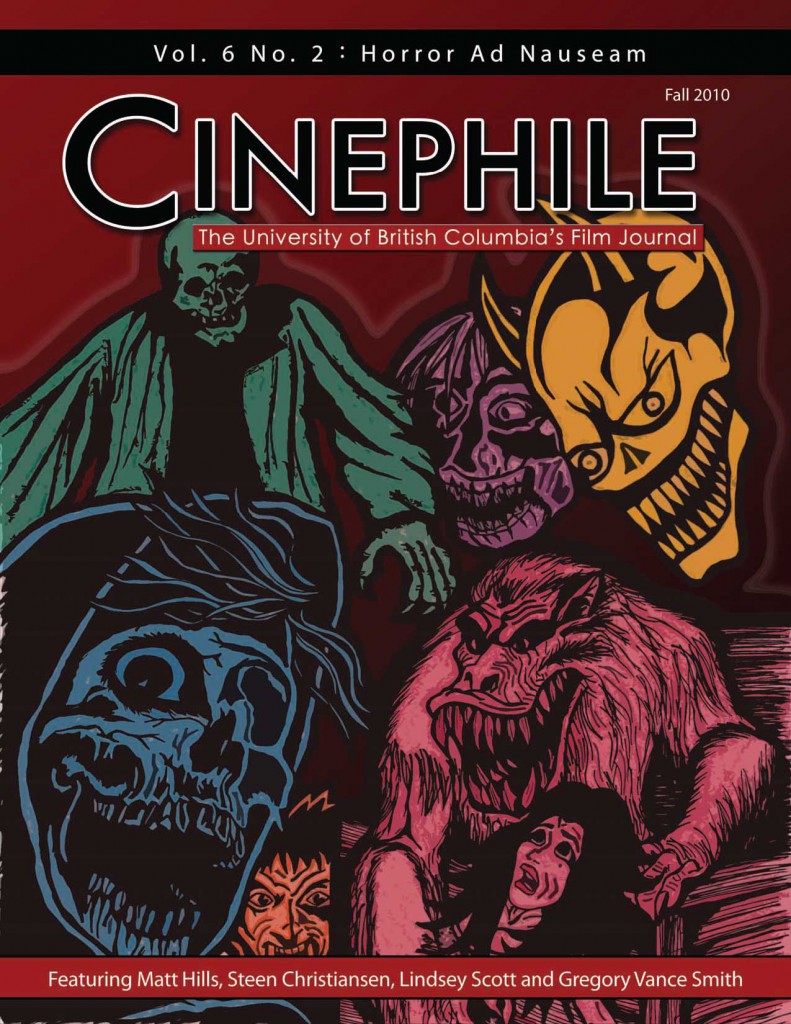
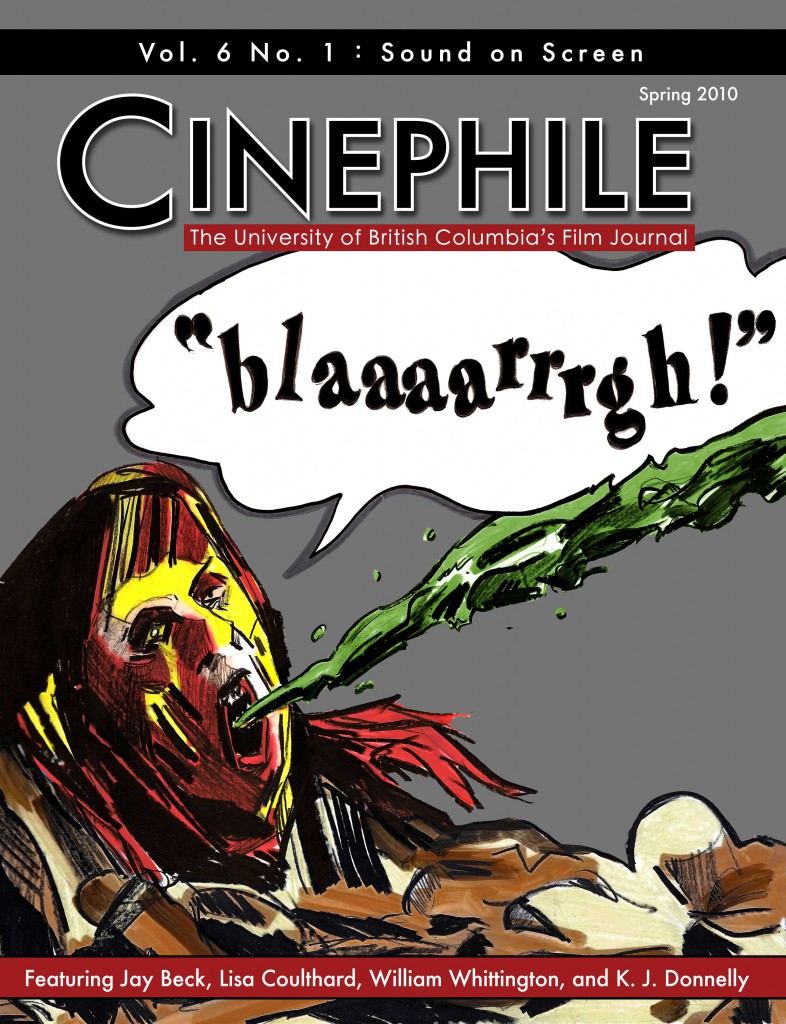
Cinephile Vol. 6, No. 2: Horror Ad Nauseam

The latest issue of UBC’s film journal, Cinephile, is out now:

Horror cinema has always held a strange place in the mainstream. On one hand, it is reviled by the moral majority and seen as a tool for corrupting impressionable youth, and on the other, it is a source of ritual enjoyment bound up in nostalgic memories of drive-in theatres and Saturday night viewings with friends. Perhaps it is this dichotomy that makes horror films such a guilty pleasure for so many of us; despite their often misogynistic and gruesome elements, they’re just so damn enjoyable on the most basic of levels. This issue of Cinephile explores the ways that more recent horror films have attempted to break free of established conventions and mirrored elements of their own cultural surroundings, and attempts to explain some of the shifts these films have taken in modernizing and localizing horror’s tropes.

- Editor’s Note

I am happy to say I was barely involved with this issue — apart from advising — as my tenure at Cinephile is sadly coming to an end.

Check it out at cinephile.ca

Posted in editing | Leave a comment

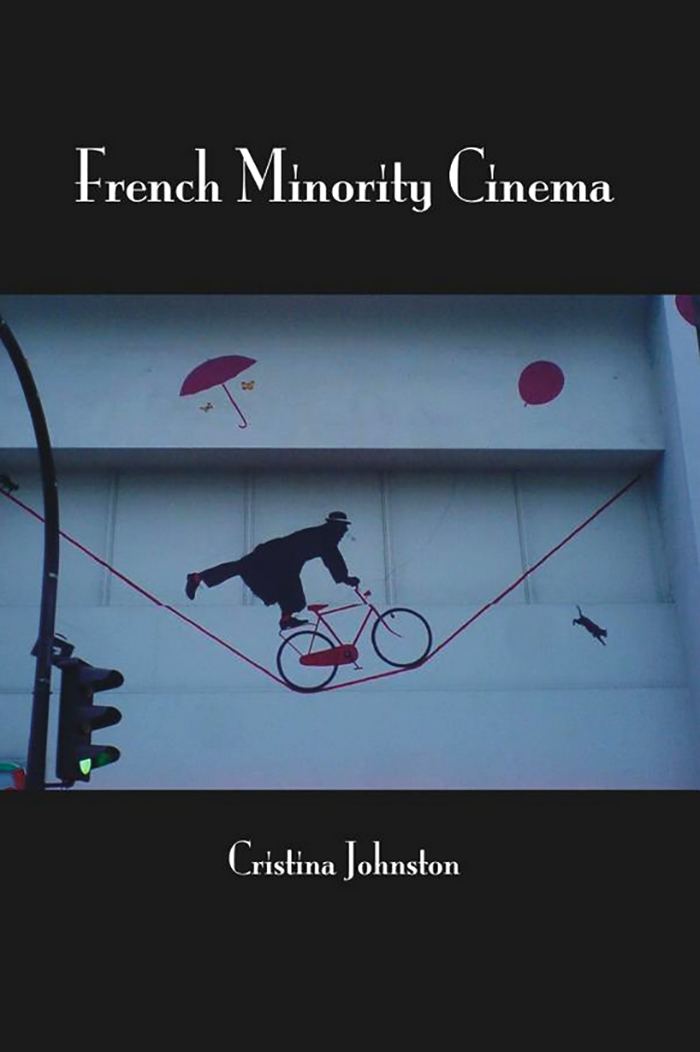
French Minority Cinema

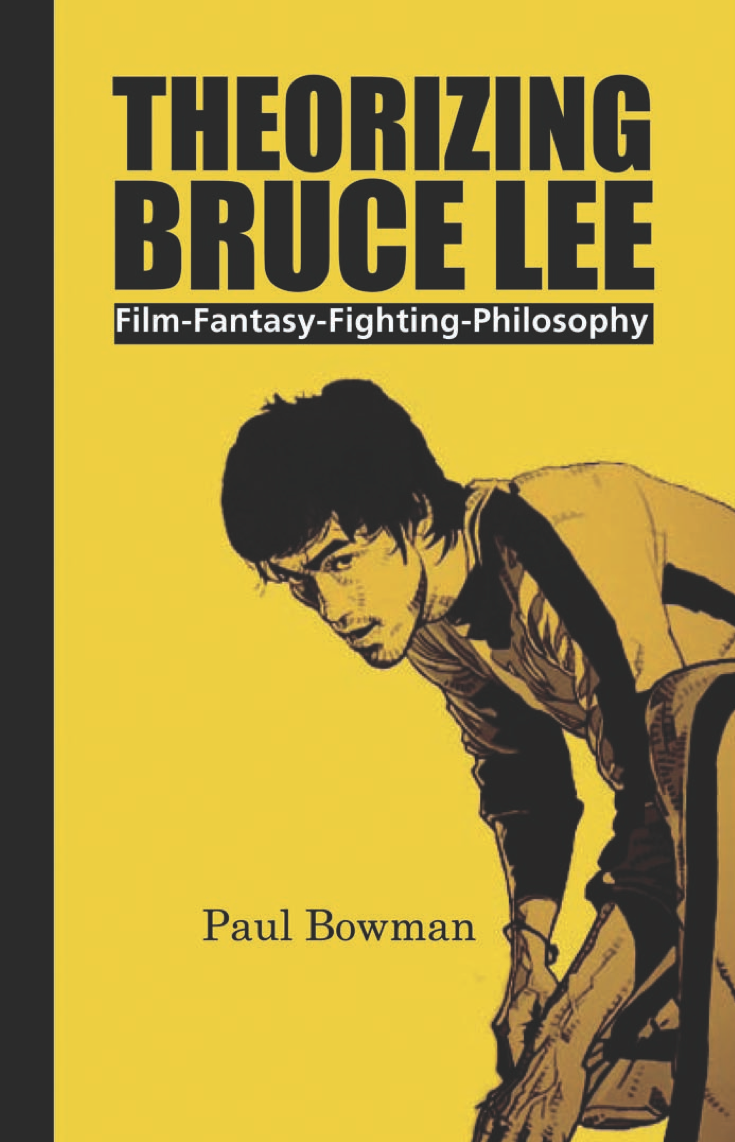
As assistant editor at Rodopi on the Contemporary Cinema series, I proof-read, copy-edit, and format, then do layout for print and design the cover. The second book I worked on, after Theorizing Bruce Lee, is Cristina Johnston’s French Minority Cinema, a probing analysis of the intersection of ethnicity and sexuality in contemporary French cinema.

More info at Rodopi | Amazon | Worldcat

Through the prisms of ethnicity, gender, and sexuality, French Minority Cinema explores key questions of identity and social interaction in the context of republican France, across two significant ‘minority’ cinemas:cinéma de banlieue and gay cinema. It offers the first comprehensive parallel study of these two bodies of film and their inter-relations, examining issues of national cinema and identity and the problematic status of minorities within the contemporary Republic. Against a backdrop of political and media debates on the PACS, parity, the affaire du voile and the French principle of laïcitébanlieue youth dissatisfaction, and gay parenting, French Minority Cinema charts the negotiatory discourse that has emerged through, and around, a core corpus of films released over the past two decades. This study will be of interest to scholars and students alike, working in the fields of French, Film, and Gay and Lesbian/Queer Studies.

Posted in editing | Leave a comment